
I’ve been thinking a LOT most recently about what “Ayurvedic food” is and is not.
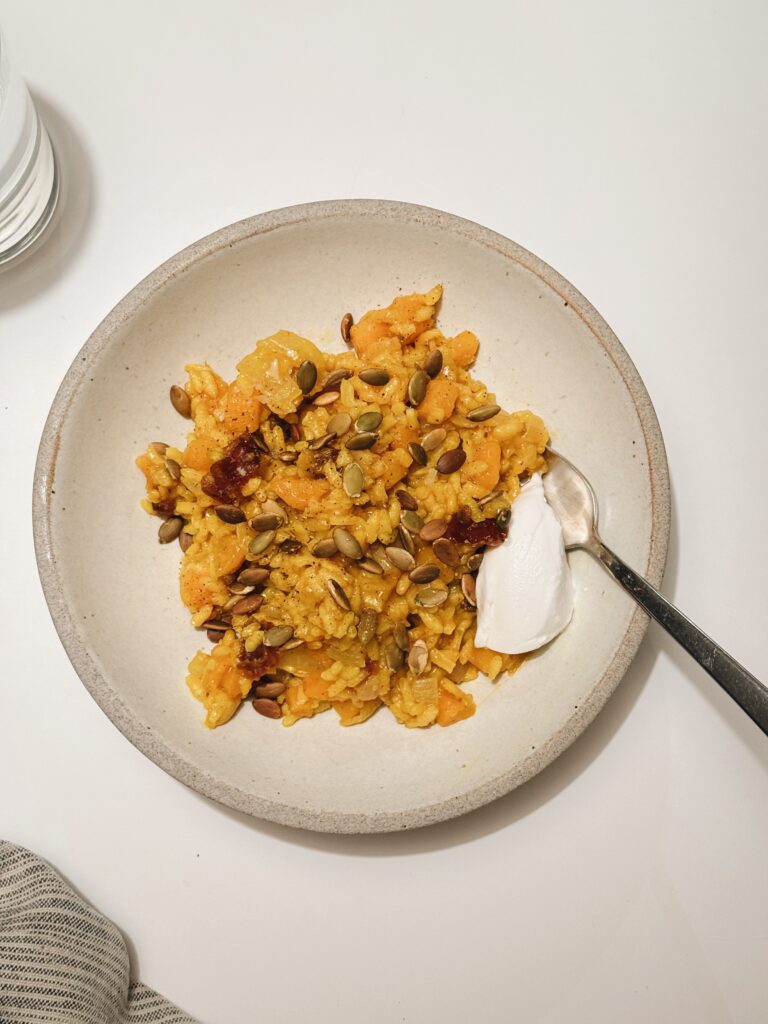
The truth is that EVERYTHING is Ayurvedic; all things can be of both benefit and detriment, and the outcome is entirely determined by the time, place and scenario under which you’re eating the thing. And if you’re eating this Golden Risotto with Saffron + Winter Squash in the middle of early fall, chances are you’re nailing the “benefits.”
But further, there are certain foods that are *recognized* as Ayurvedic; dal, plants, turmeric, kitchari, simple bowls of brightly colored mush. But what really makes something “Ayurvedic” is its attention to natural balance. Ayurvedic cooking isn’t a cuisine — it’s a philosophy of nourishment that’s been refined over thousands of years. It’s not about exotic ingredients, strict rules, or trying to replicate Indian food. At its core, it’s about relationship: between body and ingredient, season and sensation, nature and nurture. True Ayurvedic cooking uses food as a tool to bring balance to the body’s systems, through qualities (like warming, cooling, grounding, or lightening), rather than through trends or nutrient metrics. It’s the art of eating what supports you right now — in this body, in this season, in this moment of your life.
What it’s not is dogmatic. It’s not vegan, or strictly vegetarian, or even “clean eating” in the modern wellness sense. It doesn’t shun dairy or grains or fats — it celebrates them when they’re prepared and paired properly. It doesn’t prescribe a single diet for everyone; it recognizes infinite individuality. Ayurvedic cooking is not about deprivation or detox; it’s about alignment, pleasure, and discernment.
You can actually see echoes of Ayurvedic wisdom everywhere, even in places that have never used that word. In Italy, for example, the tradition of drinking an aperitivo — a bitter herbal drink before a meal — stokes agni, or digestive fire, just as Ayurvedic texts suggest sipping ginger tea or taking bitters before eating. The small espresso served after an Italian meal mirrors the Ayurvedic idea of stimulating digestion after eating, helping the body process heavy foods. Italians naturally eat with the seasons — rich, oily foods in winter; fresh greens, tomatoes, and citrus in summer — a perfect example of living in sync with nature’s rhythms. Even the ritual of eating slowly, surrounded by beauty and conversation, honors the Ayurvedic belief that how we eat matters just as much as what we eat.
Across the world, you’ll find similar patterns: miso soup in Japan to warm and ready digestion, fermented foods in Eastern Europe to support gut flora, cumin and coriander in Mexican and Middle Eastern cuisines to prevent bloating, or herbal teas after dinner in France. These aren’t labeled “Ayurvedic,” but they arise from the same intuitive knowing — that the body thrives when we eat with mindfulness, timing, and harmony in mind. In that sense, Ayurveda isn’t foreign wisdom; it’s ancestral wisdom, remembered.
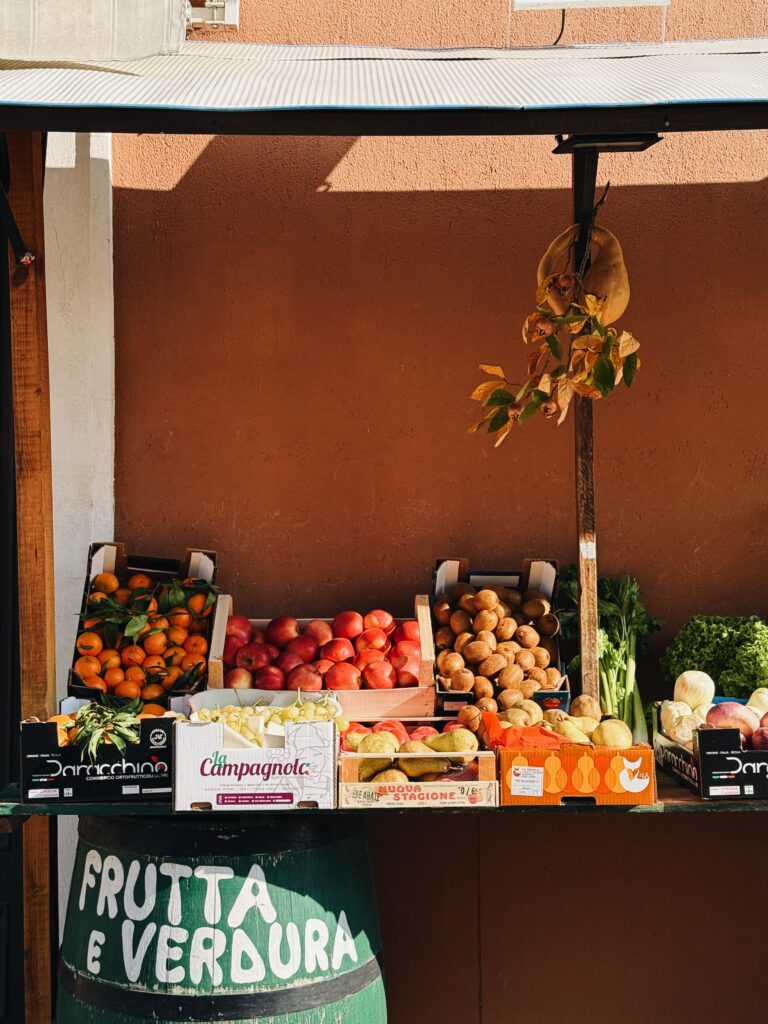
…is a recipe that I developed with the intention of serving it at the first Soma by Hedvig somatic retreat in Piedmonte this week. I bought the ingredients today in Milan, and there’s a very good chance we’re eating it right now in a phone-free environment, basking in the glow of one another’s company and the abundance of the season in this precious part of Italy. This lovely challenge – of eating Ayurvedically anywhere – is such fun for me, and for the clients I cook for an this, risotto – it’s a truly tantalizing dish. It tastes like sunlight melting into cream. Each grain of rice is tender but still alive, holding a soft bite beneath its silkiness. The saffron threads infuse everything with warmth — a honeyed, floral aroma that feels both ancient and electric — while the squash adds a subtle sweetness and body, the chunks are tender without being mushy, turning the dish into edible gold. It’s grounding yet luminous, like eating comfort and luxury in the same spoonful.

That's ok, just sign up or log in to see this recipe.