
If you’re a root beer lover, you’ll be an anantamul lover.
Anantamul is the original “root beer” flavor, but without the artificial colors and additives. And, it has a beautiful medicinal story and has been used by Ayurveda for thousands of years to bring heat-flushed pitta back into balance. Turning this traditional remedy into ice cream felt less like a novelty and more like giving the herb the exact delivery method it’s been asking for all of these thousands of years, and so, Anantamul Ice Cream was born.
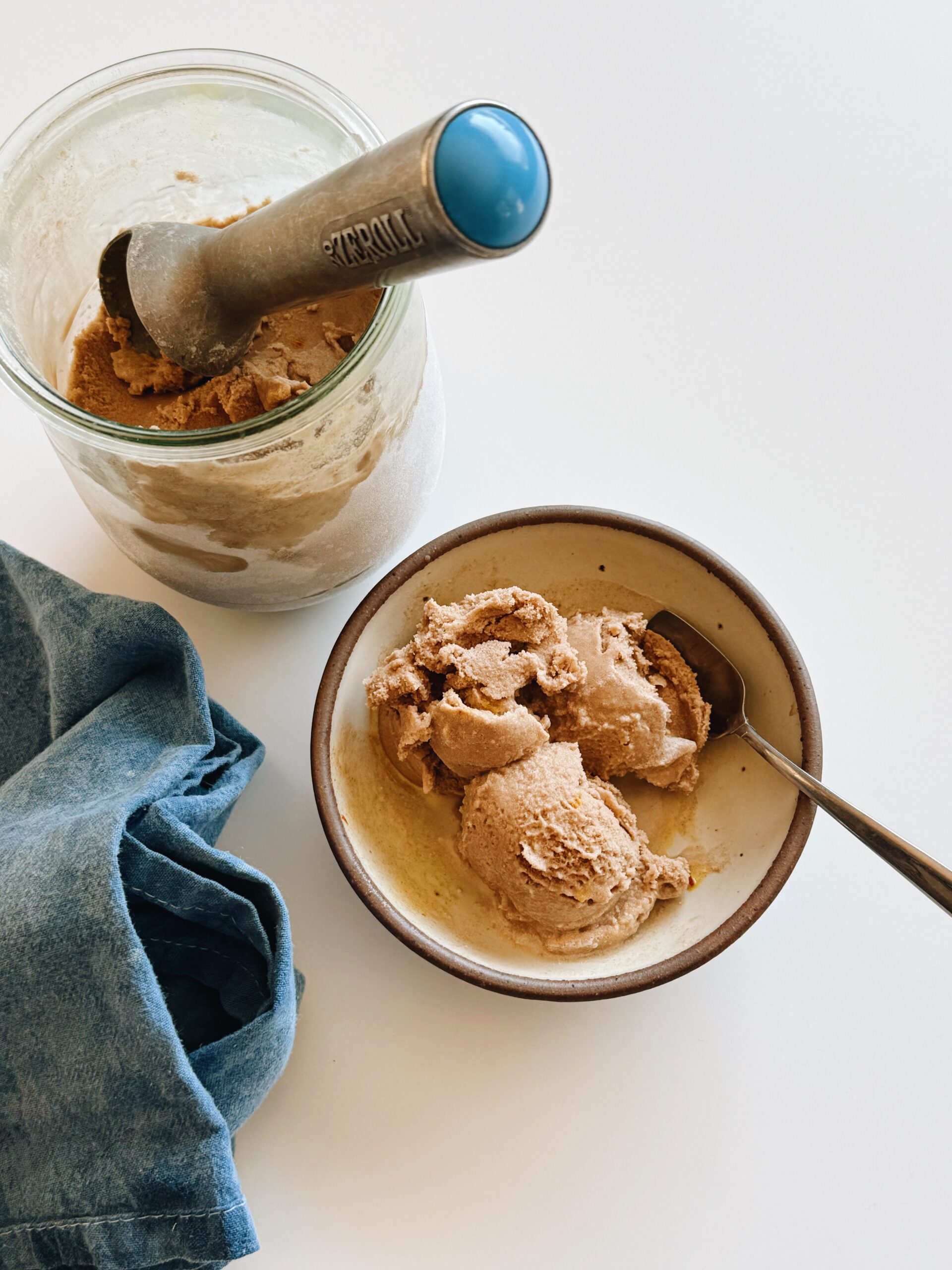
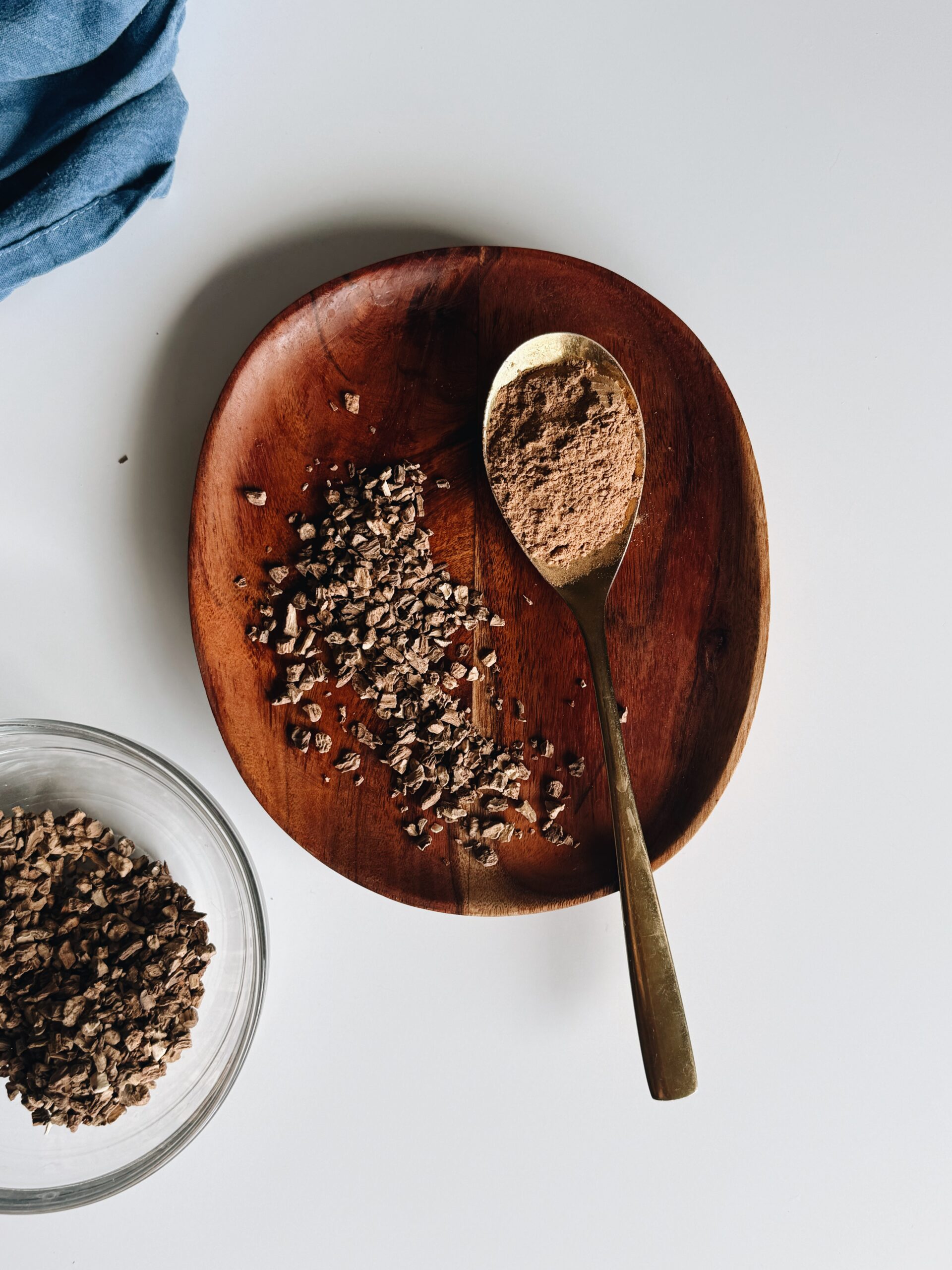
Anantmul (सारिपा)— Sanskrit for “endless root,” known clinically as Hemidesmus indicus and locally across South India as naruneendi or nannari — is one of Ayurveda’s classic cooling agents. In the language of the ancient texts: its rasa (or taste) is madhura-tikta (sweet-bitter), its virya (potency) is shita (cooling), and its vipaka (post-digestive effect) is madhura (sweet). What does any of that mean? It means that this particular herbal ally is a master at helping to cool pitta dosha without depleting, and is sweet enough to nourish the body rather than aggravate it. Quite asuperpower, as it turns out.
Classically, Anantamul is described as tridosha-balancing, meaning that it supports all three of the doshas equally without throwing one out of balance. But its real strength is supporting pitta. Practitioners reach for it for diagnosis such as gastritis, acid reflux, ulcers, skin heat and inflammation, and as a gentle blood purifier — anywhere excess heat has outpaced the body’s ability to cool itself. In traditional capacities, we boil it into syrups, teas and other medical mediums. But ice cream can be medicine too.
It’s worth mentioning that I use anantamul to make a simple syrup called Sarivadyasava; I use it as a medicine for clients in perimenopause whom are experiencing intense hot flashes, for eczema flares, and other inflammatory conditions. Leo calls it “root beer” and enjoys it on hot days when he feels like he’s on fire. His words! It helps him to sleep better and keeps any allergy flares at bay!
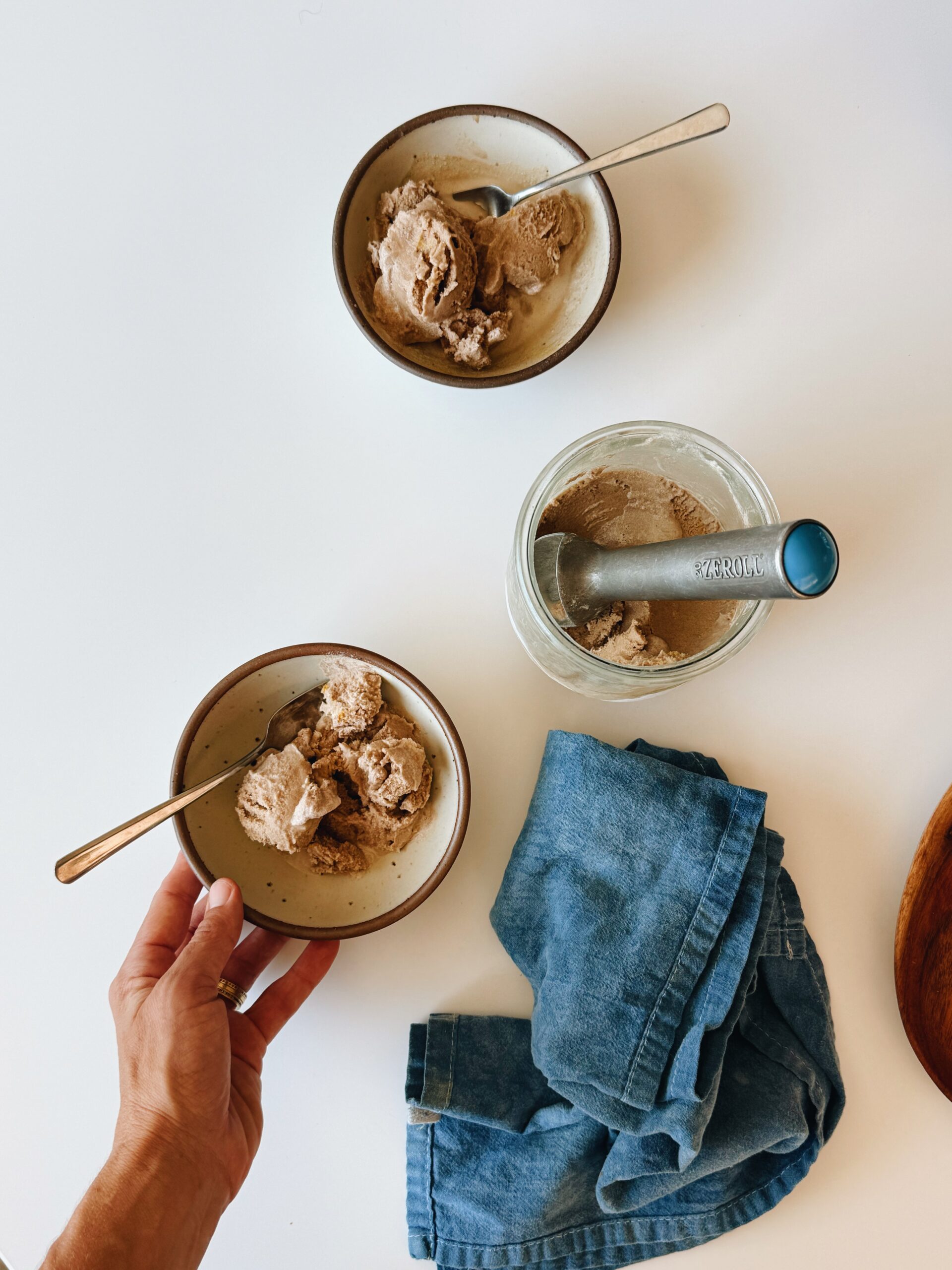
Take one lick of this gorgeous ice cream and you’ll want to say “ROOT BEER!” You won’t be wrong entirely as the flavors are quite similar, but you won’t be right. This ice cream and what’s fizzing in your float are not the same.
Root beer’s classic flavor came from sassafras root (Sassafras albidum), a North American tree in the laurel family. The FDA restricted safrole, sassafras’s primary compound, from commercial food use back in 1960 over carcinogenicity concerns — so virtually every root beer you’ve had since has been artificially flavored, chasing the memory of a plant it no longer contains.
“Sarsaparilla” soda is its own separate thing again: traditionally flavored with Smilax species, tropical vines native to Mexico, Jamaica, and Central America, in the Smilacaceae family.
Anantmul — Hemidesmus indicus — is a third plant entirely: native to South Asia, in the Apocynaceae family, unrelated to either of the above. It earned the common name “Indian sarsaparilla” only because early traders noticed its root shared that vanilla-edged, faintly bitter fragrance with true sarsaparilla and reached for the familiar word — not because the plants are related. Three different continents, three different botanical families, one overloaded name. Sassafras is gone from your soda, Smilax was never in it to begin with, and Anantmul was never trying to be either — it’s a living Ayurvedic coolant, not a flavor memory. (End rant.)
Tastes like a fake-but-valuable root beer, and works in the body like medicine. What other ice cream can say that?!
Anantmul’s cooling virya, delivered frozen, is pitta pacification doubled down — and paired with coconut milk, which carries its own cooling, sweet, unctuous qualities, the whole base leans toward the same intention from two directions at once. No dairy heaviness to manage, no refined sugar spiking things further — just honey’s warmth-tempered sweetness and saffron and cardamom doing the spicy, supportive elevation they always do so well, which makes for a very chill little scoopable package.
The process outlined below couldn’t be easier – you make a decoction with the herbs, add it to the coconut cream base and you’re almost there. Where this recipe gets remotely fussy is my recommendation to use an ice cream maker/ice cream compressor, and that might be tricky because you might not have one or want to use one. Rest assured, this ice cream is enough to push you straight into your Amazon cart to order one because it’s so creamy, round, grounding and joyful, you’ll want to make it exceptionally on the regular and churned ice cream is simply more perfect than without the machine. If you don’t have an ice cream maker and aren’t convinced, you can also stir the ice cream often, or even freeze it into a loaf pan and then warm it slightly before slicing and serving (instead of scooping.)
The result is quietly complex: faintly bitter and root-forward up front, the way good sarsaparilla should be, then rounded out by coconut cream, floral cardamom, and the particular gold-thread perfume only saffron gives. It’s the rare frozen dessert I’d actually recommend to someone managing pitta heat rather than just tolerating it.
Do you, but fall in love deeply with this one, as we have!
That's ok, just sign up or log in to see this recipe.